

Our News Articles
We keep our finger firmly on the pulse of the industries we specialise in. Discover the latest news and views below.

We keep our finger firmly on the pulse of the industries we specialise in. Discover the latest news and views below.
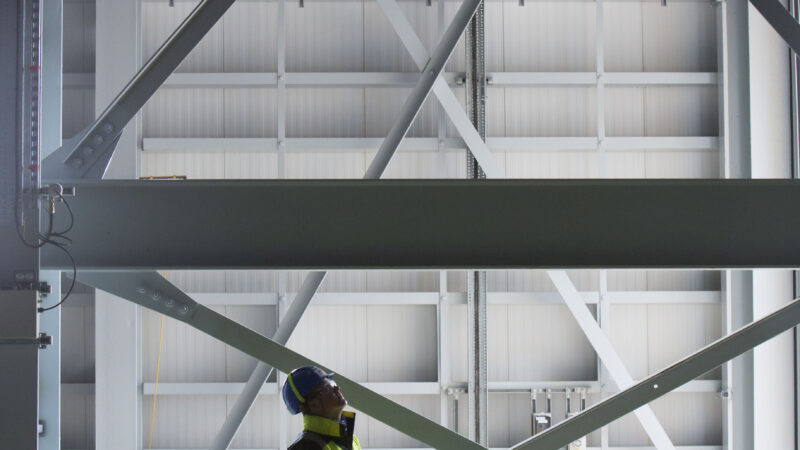
Mechanical and Electrical (M&E) engineering services experience greater demand during the summer months, requiring preparation for peak performance to ensure efficiency and reliability.
In this blog post, we explore how M&E companies can prepare for high demand, sharing maintenance tips and crucial system checks to carry out during the hotter months.
During the warmer months, M&E engineering services undertake robust planning and strategic preparation to cater to peak demand and maintenance shutdowns. This planning revolves around ensuring grid stability to meet the increased demand as well as integrating renewable energy resources in line with net zero targets.
The main considerations when planning to prepare electrical systems for an increased level of demand include:
During the summer months, higher temperatures put extra strain on HVAC systems, necessitating additional maintenance and upgrades, as well as ensuring adequate cooling capacity.
Electrical loads also increase due to the heightened use of air conditioning, which requires careful monitoring and balancing to prevent potential issues. Infrastructure upgrades may also be necessary and should be strategically planned. Maintenance schedules should be carefully organised to minimise disruption.
When planning and executing projects, it’s essential to prioritise resource allocation and safety considerations. It’s important to carefully assess the workforce, equipment and materials needed for the planned projects, while also accounting for potential delays and issues.
Additionally, working in hot conditions raises specific safety concerns that must be addressed, such as heat stress, summer hazards and requiring proper ventilation.
Emerging technologies and innovation are revolutionising the M&E engineering industry. Technologies such as motor pit power distributors are key for dealing with high demand due to their ability to centralise power management and improve control, monitoring and flexibility, identifying potential problems before they emerge, saving time and costly rework.
Other technologies such as power load balancing support distributed loads that can cause one phase or circuit to be overloaded while others are underutilised. This prevents overheating, tripped breakers and potential damage to equipment, which is key when dealing with enhanced demand.
As the grid continues to deal with higher demand, which is only set to increase, it’s vital as an industry to conduct the necessary checks, planning and maintenance to deal with this demand smoothly and efficiently with minimal disruption.
To find out more about our work, please visit: www.salko.co.uk/case-studies


For a clear, honest appraisal of your next project. Just give us a call to get started on 01430 431977